GIA Introduces New Grading Terminology for Lab-Grown Diamonds: What It Means for Consumers
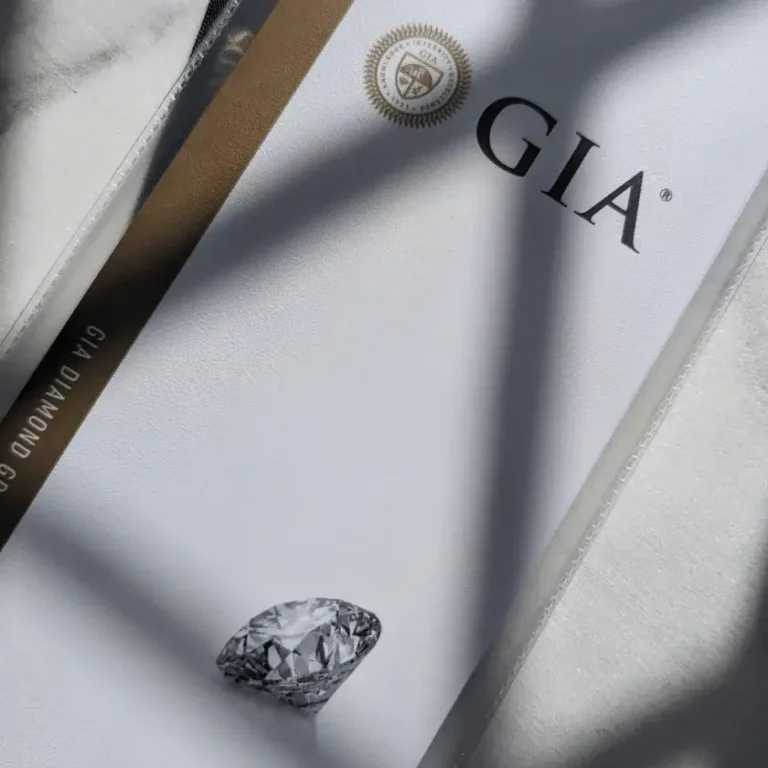
The Gemological Institute of America (GIA), the world’s leading authority on diamond grading, has announced a significant update to how it evaluates and describes laboratory-grown diamonds. This change is designed to help consumers easily distinguish between lab -grown and mined diamonds, ensuring greater transparency and confidence in their diamond purchases.
What’s Changing?
Starting later this year, GIA will no longer use the traditional color and clarity grading scales-originally developed for natural diamonds-to describe lab grown diamonds. Instead, GIA will introduce a new descriptive system that categorizes laboratory-grown diamonds as either ‘premium‘ or ‘standard‘
How Will Lab-Grown Diamonds Be Graded?
Lab-grown diamonds submitted to GIA will be evaluated based on a combination of color, clarity, and finish.
- Diamonds that meet the criteria will be assigned either a ‘premium’ or ‘standard’ designation.
- If a lab-grown diamond does not meet the minimum quality standards, it will not receive a GIA designation.
- The new system is intended to reflect the fact that over 95% of lab-grown diamonds on the market fall within a very narrow range of color and clarity, making the traditional grading scales less relevant for these stones.
Why Is GIA Making This Change?
GIA’s original color and clarity grading scales were created in the 1940s to help consumers understand the wide variety of natural diamond qualities and to reduce confusion in the marketplace. However, because lab-grown diamonds typically display much less variation in color and clarity, GIA believes a new approach is needed. This updated terminology will help consumers clearly understand the differences between natural and lab-created diamonds, empowering them to make more informed purchasing decisions
What Does This Mean for Consumers?
If you’re considering a lab-grown diamond, you’ll soon see new GIA reports that use the ‘premium‘ or ‘standard‘ designations instead of the traditional color and clarity grades.
- Existing GIA reports for lab-grown diamonds remain valid.
Pricing and submission guidelines for the revised service are expected to be announced later this year.
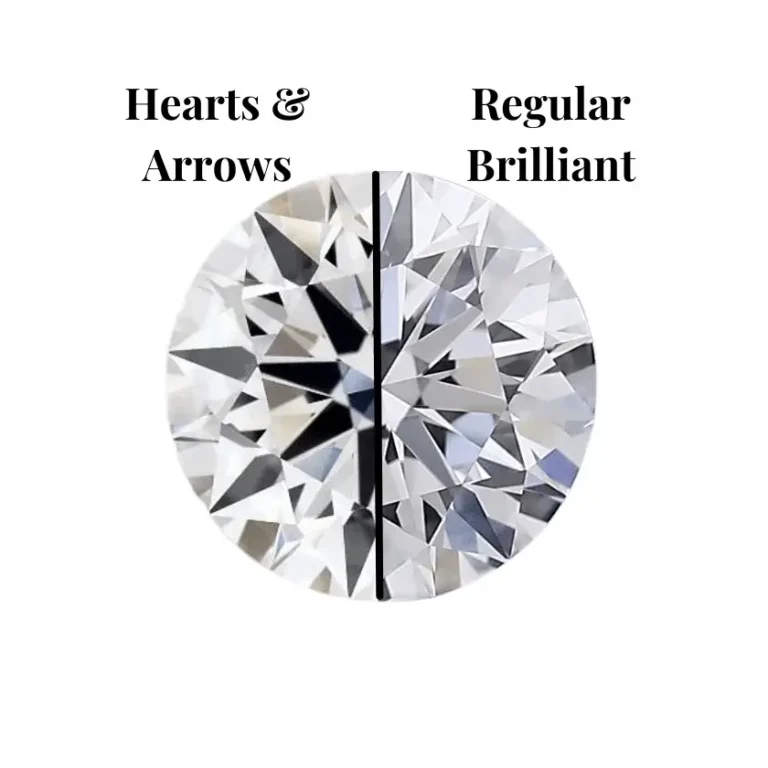
How to Decide Between Hearts and Arrows and Brilliant Cuts
GIA’s move to introduce new terminology for lab-grown diamonds marks an important step towards greater clarity and transparency in the diamond industry. Whether you’re shopping for a natural or lab-grown diamond, understanding these changes can help you make a confident and informed choice.
For the latest updates and to see a portfolio of custom-designed engagement rings and jewellery featuring GIA certified natural and lab grown diamonds, follow along on social media.
Whether you’re just starting to explore options or already have something in mind, I’d love to help. I work with clients across Australia to create thoughtful, one-of-a-kind engagement rings for women, using both mined and GIA certified lab grown diamonds.
Let’s chat about what’s right for you.